When will this get boring? I don’t think it will.
Over the last couple of weeks I’ve gone down many rabbit holes, making quick tools with Codex/Claude Code. I’m not sure if any of these qualify as a full fledged project per se.
It’s wonderfully addictive. And from the online bubble I’m in, many folks are doing the same. I really enjoyed the story of a guy who tasked Codex with creating printer drivers he needed as the manufacture had given up support. And it just made them.
It can just do things, and so can we.
Recent tools and tweaks:
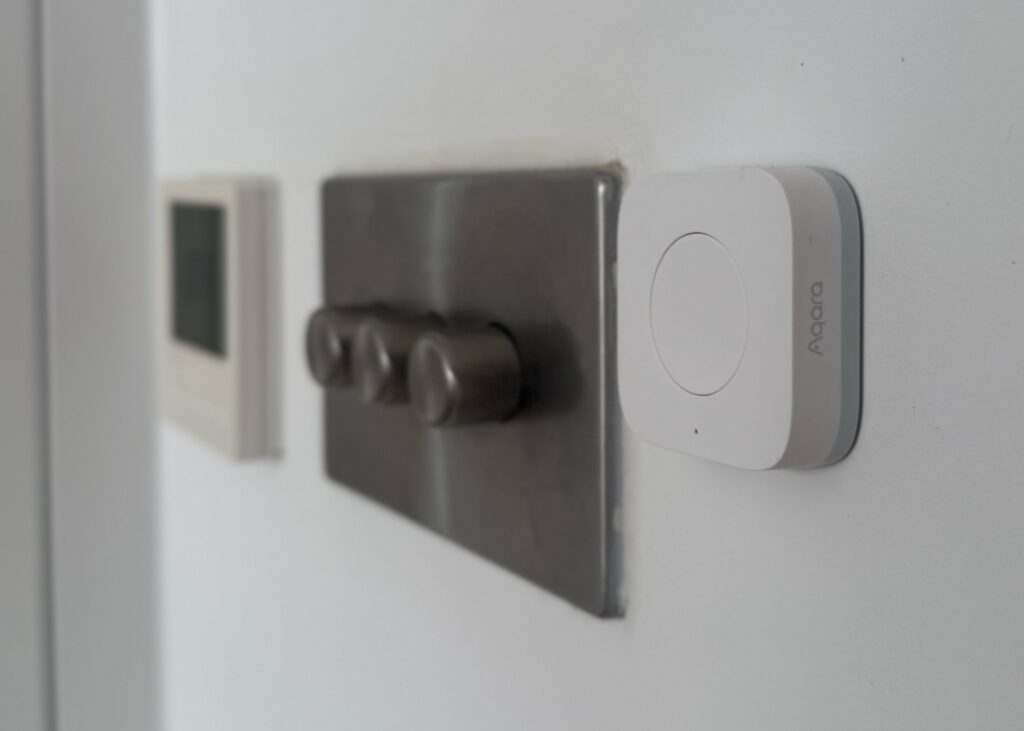
- Connecting IoT hardware buttons to turn smart switches on and off in all rooms in our house, negating the need to buy even more hardware as the switches were not on existing IoT protocols
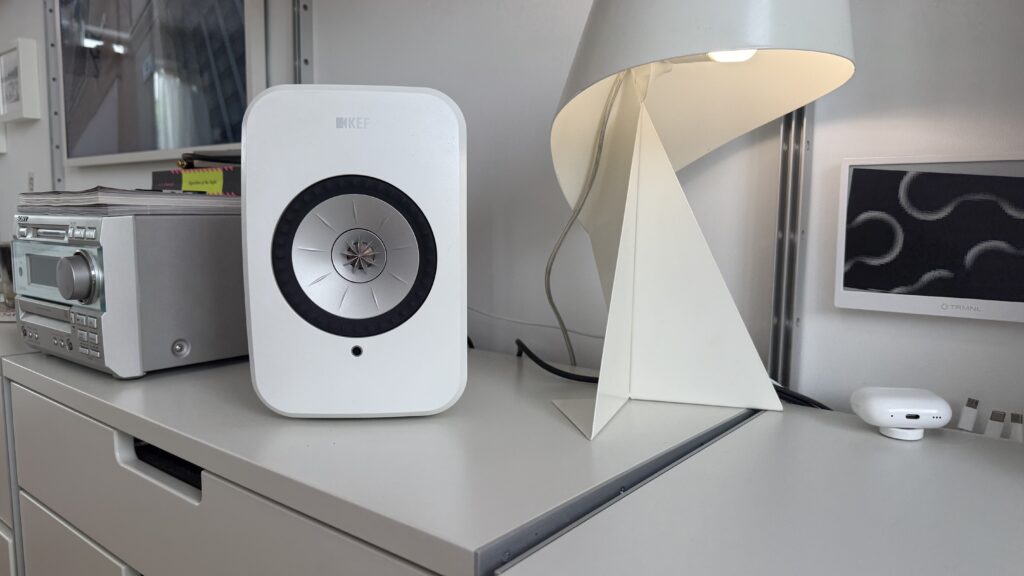
- Making the lounge switch turn my speakers on, set the channel to AUX and the volume to 50/100 so I can put a MiniDisc on with zero app interaction in the morning
- Rsync macOS app/menu bar app to automate sending my laptop working files to my headless Mac Mini external drive, based on cron and activity change volume
- Local webapp to manage my remote LAMP server via SSH so I can allow agents to carry out mundane backup, cleaning and sorting of data without me needing to schlep through logging into Cpanel and dealing with its mess
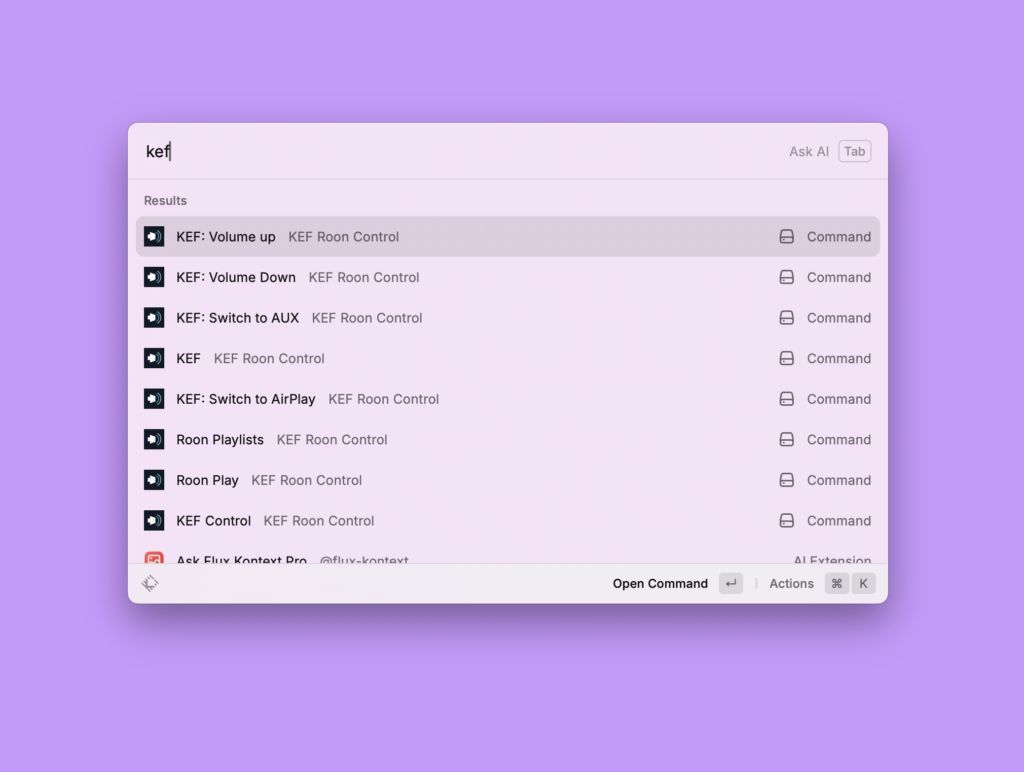
- Raycast extension for controlling the volume and input source of my KEF speakers, removing the need for using the terrible OEM iOS app or the IR remote that fails to work
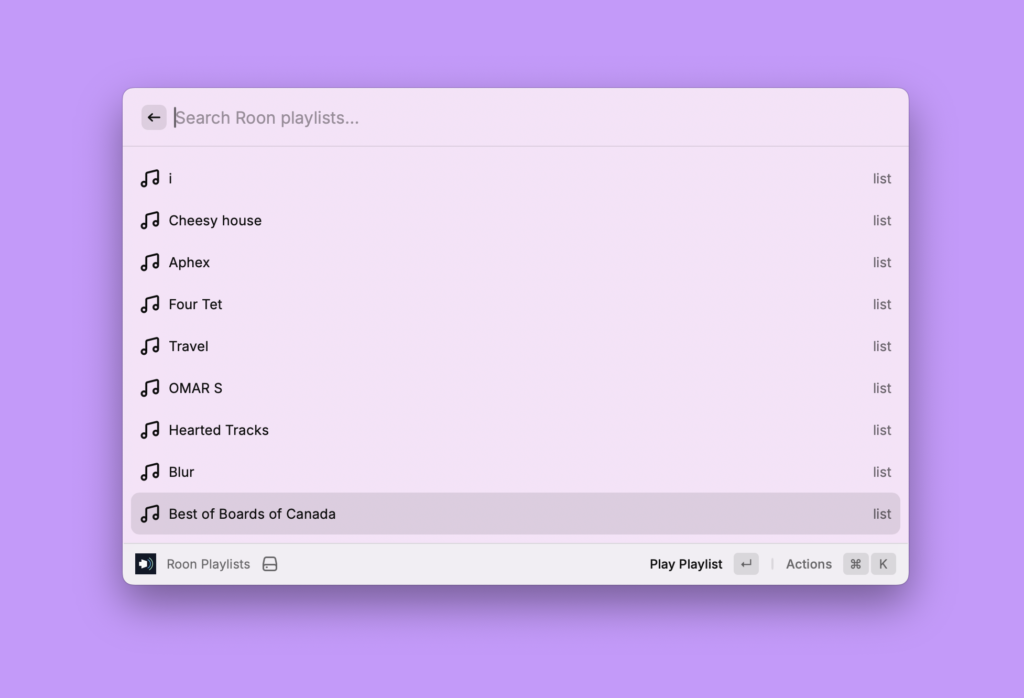
- Raycast extension for trigger playback of playlists in Roon that fire up the KEF speakers and set the volume all in one command
- Added “Send to Kindle” to a Chrome Extension that I use for bookmarking, this then uses the unique email of my Kindle, sends the HTML over my Google Workspace and arrives at the device, formatted perfectly
There’s something I can’t quite put my finger on with the current wave of building with agents. In no particular order, my stream of thoughts:
- Not everyone will do this. Just as in not everyone experiments with cooking, DIY or tending to a garden. Although everyone now can, not everyone will.
- When the effort to make curve changes, so does the quality of outputs that are published into the world. If I looked for an rsync GUI app ten years ago, there were certain chances it was made to a high quality, maintained, tested, monetised and supported. If I publish my 30 minute agent effort, there are certain chances the opposite is true. Please also see short form social video today vs Vimeo in 2010-15
- It’s kinda slop, but kinda not, but kinda is. The coding output will likely just get better and better, the difference in the space of months has been mind blowing. The safeguards are getting better, I’m less likely to end up with security nightmares. The design is still very questionable.
- And to build on this slop thought, the stuff I’ve listed above reminds me of making jigs, you often don’t need or want pretty, you need it to the job. If the job is finding gigabytes of redundant backups scattered over your server, and the tool has done it, then we’ve passed the slop test, no?
- Same goes with a headless mac service, there is no design. But there is designing for installing/removing/maintaining it. What’s the point if I can just talk to the agent to fix it though? However, these is a design view of the home for the agent, a sub-agent that I can talk to on my phone and it’s limited to these tools and keeping them in check. But still, this isn’t really a design task at this point
- We (well, I do), feel compelled to fight the slop. It’s part of our current battle with agent making. We want to wrestle the crappy output into crafted pixels, or sensible lines of code. But to what end and for what value along the way?
- I believe the value really lies in our own practice, our desire to learn and to make great things. And not to make things that fall apart or feel deranged.
- I’m learning at a faster pace than ever. On most projects, starting with builds has exposed the inner workings, the messy side of feasibility that has only ever reared its head when starting to show Engineers designs. Wrapping your head around these early on is truly a different way of designing, making and understanding what it takes. Something that diagrams and flat designs will never really reach
- For these tools, app recipe instructions feel smarter than repos of agent code. Most of the tools above would likely be painful for another user to adopt wholesale, but using an agent instruction kit/recipe to build your own feels smarter, the user manages detailed decisions, integration and refinement
- Ideas were often killed by our judgement. Does the market needed them, would people pay for them or more importantly if we could afford to pay for the idea in the first place. But now, we can just do things. The Twitter meme goes “distribution is the new moat”, and “are vibecode bros ready to dance on TikTok” … to get their idea bought by the market?
- I still enjoy ideas though. And making something, learning and getting even a slither of usage on a side project is compelling enough to carry on. I’d also argue if you’re not trying to battle the noise in what was a tough market and has now become a crazy one, that you might make the thing that is best to make, and not the thing that your forcing into arbitrary trend success signals
- It’s still a compelling notion that we can make software, get paid handsomely while we sleep, retire early or build a mini empire
The other stuff I’m making right now does fall into the project category. And it feels different to make a project. Almost like there are two modes of making. Creating stuff for an audience and creating stuff for yourself.
Software for one. Perhaps a bit unfinished. That feeling that it’s fine to tinker with the rsync app every now and then when it needs it, but never thinking past the idea that it’s just your jig.
I want to be reminded of this post in two months, these unstructured notes and thoughts. I wonder what will have changed by then. So I’m off to ask the agent to hook in GSuite send email script to my blog, set a date picker up and publish. Jig done.